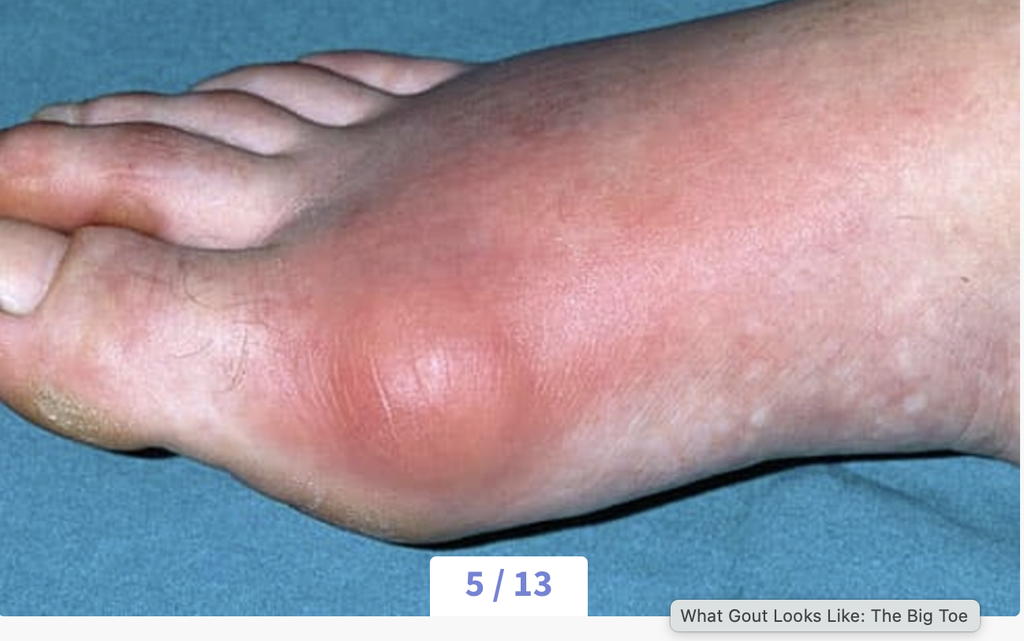
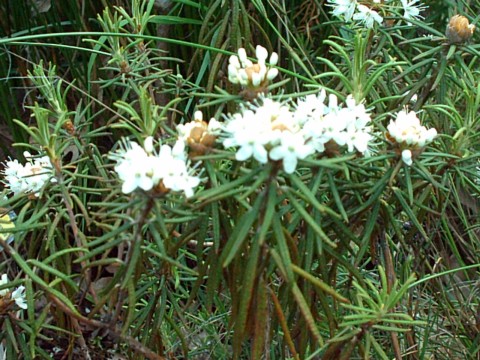
This post is about using homeopathy to treat gout, a most painful condition.
There is the cartoon image of the gout sufferer, usually rotund and having a rather exotic diet.
But it is not a laughing manner as my wife will tell you. It can strike fast and is extremely painful.
In short it is easier to get than to get rid of.
Gout is a build-up of uric acid crystals in the joints. It is a form of inflammatory arthritis. Most commonly it affects the toe joints (notably the big toe) but other joints in the feet, hands, wrists, and knees are potential targets. It can have a dietary cause and as in most conditions, genetics plays a part.
As uric acid is excreted by the kidneys, impaired kidney function can be a contributory factor. Uric acid crystals in the kidney itself can elevate blood pressure.
There are two main approaches. Firstly pain relief using non steroidal anti-inflammatory drugs like iboprofen. Secondly drugs that either reduce the production of uric acid or aid its excretion.
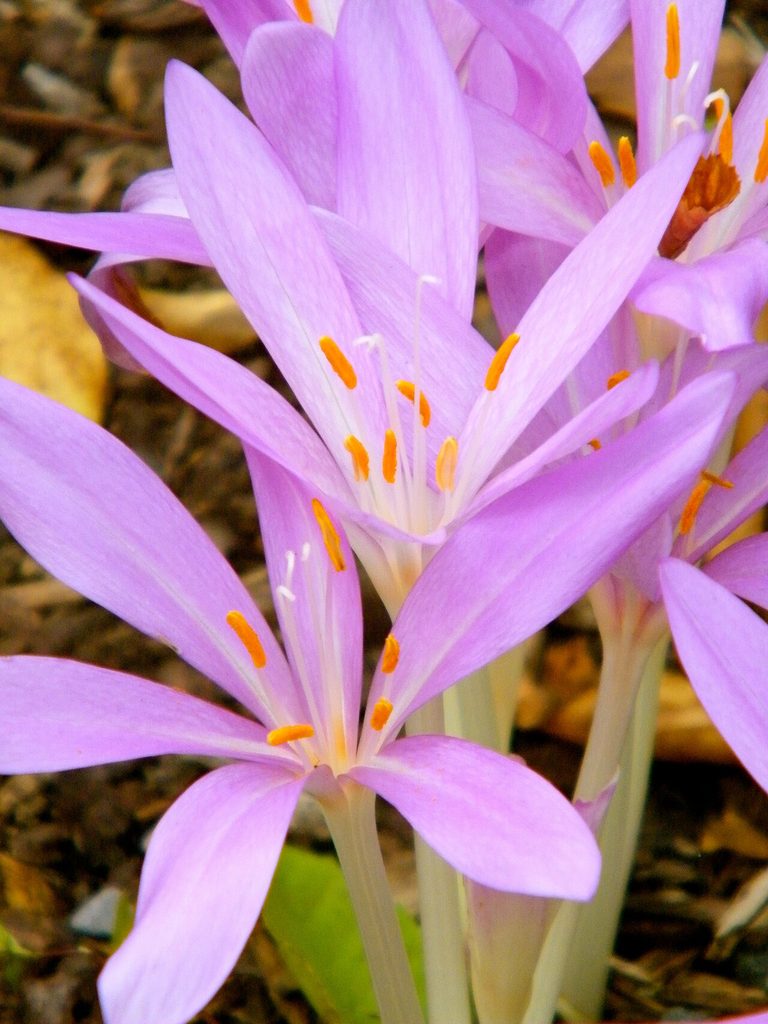
One drug is called Colchicine which is derived from the pretty autumn crocus (saffron family). As we will see later, there is a homeopathic remedy from the same source. So, though not recognised by conventional medicine, it is likely that this drug acts in part homeopathically.
Purines are found in many foods and a product of their breakdown is uric acid. Therefore a diet low in purines is worth trying. The UK Gout Society has a useful website and a downloadable pdf. Alcohol intake during a flare-up is best avoided and moderation at other times advised. Beer is higher in purines than wine.
Good fluid intake is important in order to flush out the kidneys. Sadly, not beer, but water to which a little bicarbonate of soda may be added.
Whilst dietary caution can help, it is not a panacea.
Before I consider homeopathy, it is worth applying either a hot compress or ice pack to the affected joint.
Knowing whether the joint is better with heat or cold, is called a modality in homeopathy and is useful information.
So what to do? Well, homeopathy is not a panacea either, but there are a number of remedies that will help shorten the duration of an attack.
Some of these remedies are in first aid kits (marked *), others are available from homeopathic pharmacies such as Helios and Ainsworths. Most of the remedies in these kits are 30c potency, which is safe for home use.
If you try a remedy for 6-10 doses without any result, then there is no hazard in trying a different remedy. You experiment to find the key to the lock.
Top tip: one approach is to put two pills from an remedy in the first aid kit into a small water bottle and shake a coupld of time. Take a sip on and off over a few hours and hold in the mouth for a few seconds before swallowing. Shake once before each sip.
As mentioned above, the medicine Colchicine and this homeopathic remedy have the same origin. Colchicine is the alkaloid extracted from the plant. It has an anti-inflammatory action and its use herbally reaches back into antiquity. Homeopathic remedies on the other hand are potentised ultra dilutions, yet its therapeutic properties are similar (and the side effects less).
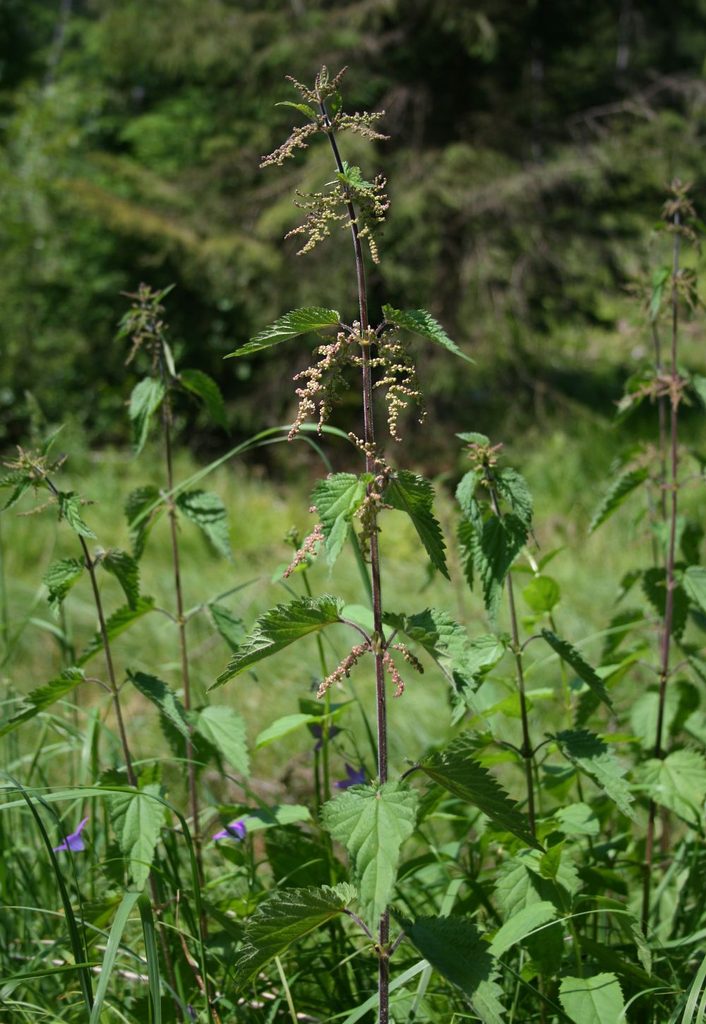
This remedy comes up for almost every complaint! Still it is worth considering and actually probably worked the best for my wife.
***
The above suggestions are for the treatment of acute gout. Most likely there is a deeper underlying issue that needs to be addressed. This is called constitutional prescribing. If you would like to explore the potential of homeopathy whatever your complaint, may I encourage you to book a free 30 minute Discovery Call via this button.


Disclaimer: I am a qualified professional homeopath and not a medical doctor. The NHS has many resources, and seeking the opinion of your GP is always of value.
Dibden Purlieu, Southampton