
I am watching an interesting YouTube clip by Dr Zach Bush https://youtu.be/f6zb5rXgRvs. I say ‘am’ because it is quite long and I am taking it in bite size chunks. Quoting from an online version of the Oxford Dictionary he observes that the definition there in of ‘nature’ is the natural world around us; something rather apart from man. Dr Bush draws our attention to the fact that man is actually fully part of nature not ‘apart’ from it. We have long tried to control the natural world, but current crises from pandemic to environmental, suggest a need to better understand our limitations. He is all for science, but points out that science is not a fixed body of knowledge. It is an ongoing endeavour.
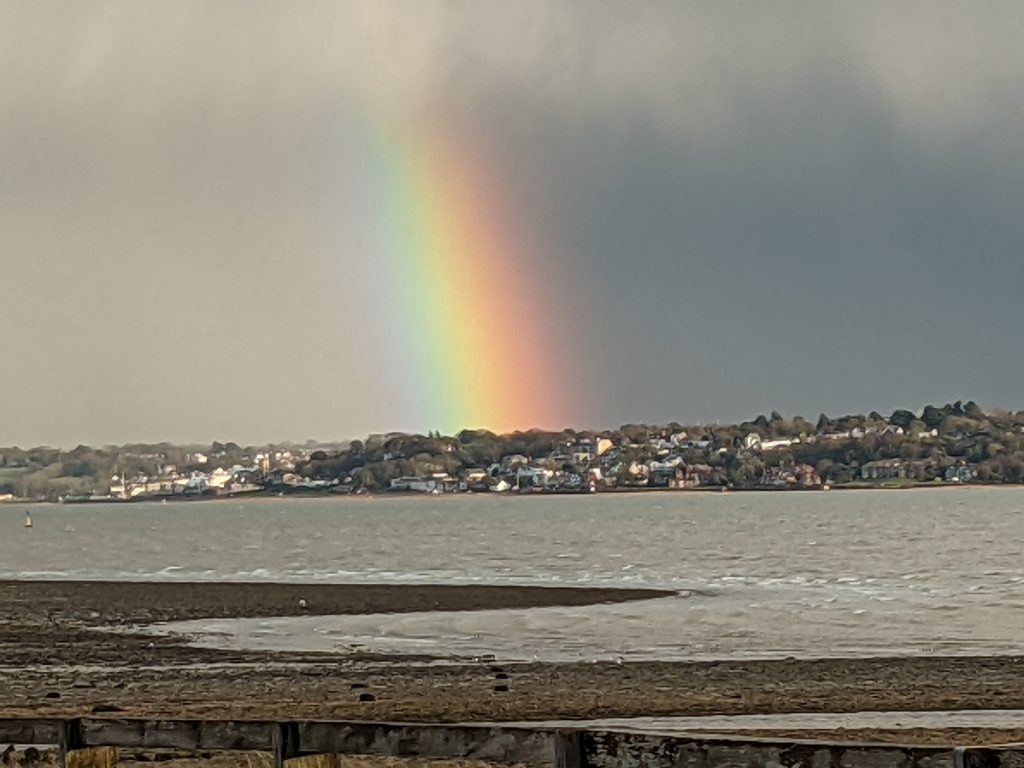
Isle of Wight from Lepe
I took the above photo on a blowy day about a month ago. It is hard to say what early man made of such a scene, and science brings its explanation of light reflected and refracted through water droplets. Nonetheless a rainbow still makes you stop a while and watch. The scientific analysis is good but I bet many at Lepe that felt the colours a omen for better times after a tough year.
A relatively recent scientific endeavour is the micribiome. That is to say, the gut. Dr Bush tells us that our guts are full of viruses and bacteria; many billions of them in fact. The same is true of the soil, the sea and the whole of the natural world. The living world adapts to viruses and bacteria; it has done so from the beginning of time. You might wonder then about our strategies concerning SARS-Cov-2; certainly Dr Bush does.
Complementary medicine has long taken and interest in diet and hence the gut, and on that I will say a little more next time.
“Due to overconsumption of de-natured food, and a lack of exercise and fresh air, many people, especially in the second half of their lives, often become caricatures of themselves … Nowadays we rarely see a really beautiful and healthy looking person … we are either too far or too thin .. or legs are swollen, our feet flat, our backs, bent, our necks stiff. We lose our hair, suffer from dental decay, headaches, flatulence, constipation and depression; we tire quickly and worst of all, many of us no longer enjoy life. Many people never feel really well“. Naturopath, Jan de Vries, from 10 Golden Rules For Good Health (2nd edition 2008)
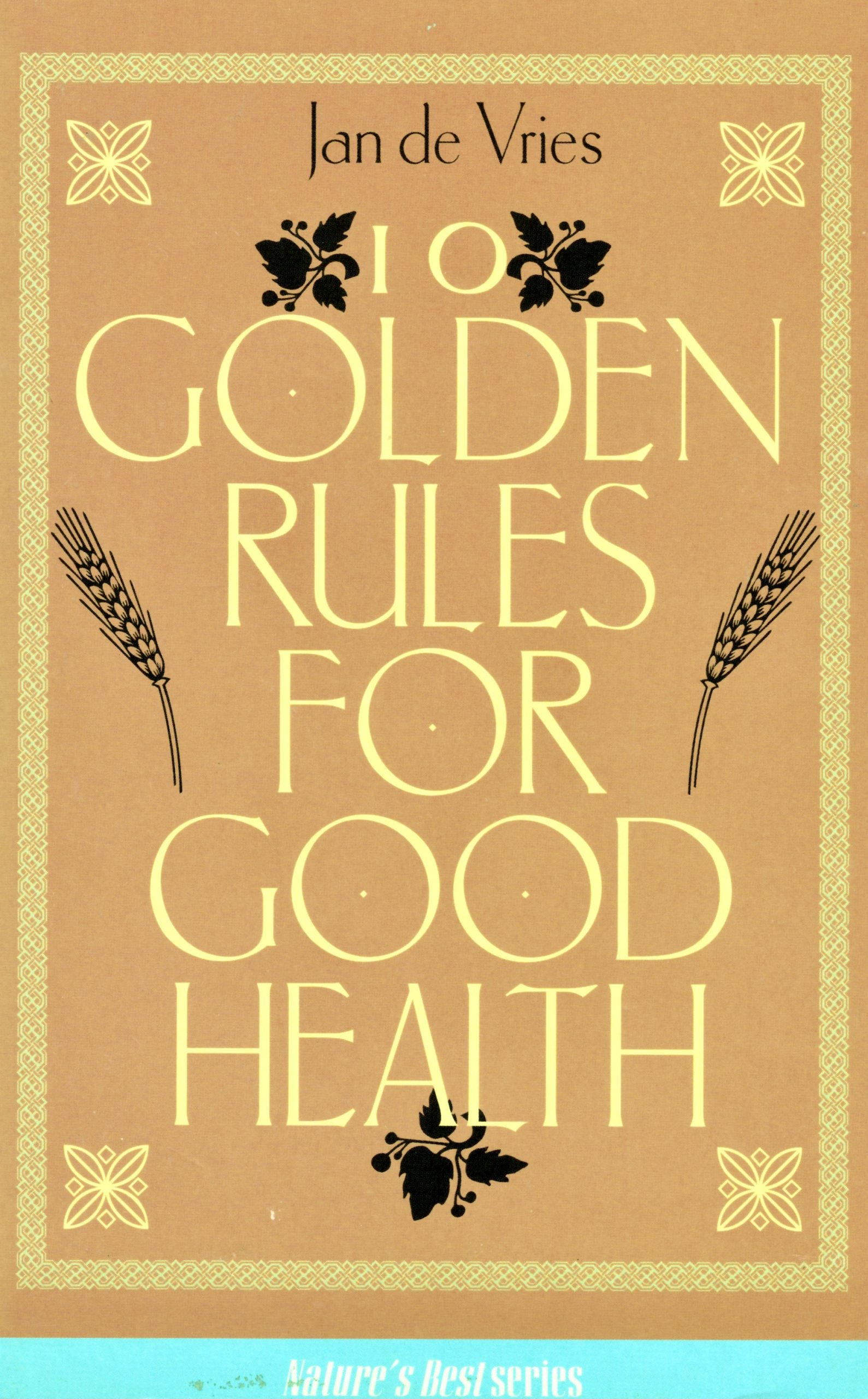
Not a very welcome message, perhaps, but a well meaning one from one of the most notable Naturopaths in the UK and beyond in recent years.
Alas, he is no longer with us, but for many decades Jan de Vries had a clinic in Troon, Ayrshire and people sought his advice from near and far.
He even had a slot on Gloria Hunniford’s BBC Radio show. He worked a 90 hour week which included writing many books!
I once had a consultation and his busy clinic was like a hospital out patient dept. He was much loved and is sadly missed.
The Naturopathic approach to health is focuses on the basics, recognising that the self regulating nature of the human organism works best when treated with respect. His five pillars to good health were nutrition, digestion, elimination, circulation and relaxation.
The 10 Golden Rules expand on the five pillars to include such as sleep, and mental health and mental attitude. Top of the list, always, comes nutrition. He tells us that the diets of western industrialised countries – especially the USA and Europe – have changed more in the last 100-150 years, than across millennia before.
Processed foods, sugar, excess alcohol, industrial farming and so on, are not what the body needs. Instead seventy percent of our diets should be of plant origin, and raw fruits and vegetables should be an important part of daily nutrition. Medical science has also come to appreciate the relationship between a healthy immune system and a healthy gut.
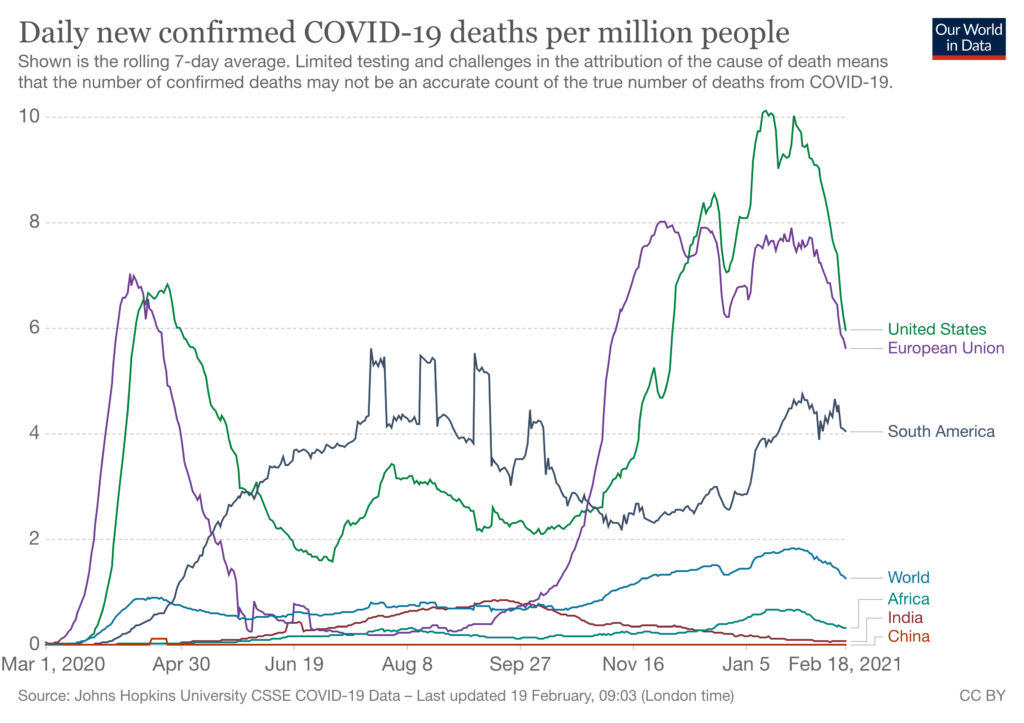
Obesity seems to have become rather an epidemic these days. In the past the poor were thin, as is still the case in the developing countries but the opposite seems to be the picture in the western world. And it is the western world that has suffered the most in this Covid-19 pandemic. Food for thought?
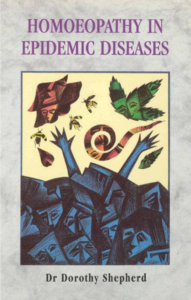
Flu medicine in homeopathy – they were once in common use. Pandemics of the respiratory sort are not new, there were at least three in the twentieth century (1918, 1957, 1968). The good news is that they did not last very long (but I imagine – as now – that it seemed so at the time). Even the infamous 1918/19 epidemic passed into history after a year.
I was born in Glasgow and my paternal grandfather was a victim of that pandemic. This heritage article gives you an idea of the impact.
Compared with medical knowledge today, facilities were modest; in 1918/19 there was no NHS, and many doctors were on active service overseas. Yet the basics of good health were known: nutrition, fresh air, rest, good habits were and still are fundamentals. Fundamentals that we forget amongst our busy lives.
My maternal grandmother also caught the misnamed 1918 ‘Spanish flu’ but survived thanks to good nursing at home. Fundamentals make a difference.
Dr Dorothy Shepherd 1885-1952 was in practice in London back then, and her little book on epidemics, which is still available, makes interesting reading. It is not a scientific text but contains some sound advice that is pertinent today:
‘It is the fashion to call every slight feverish chill influenza; but if after the temperature has come down, the depression, exhaustion and weariness is such that it is too much effort to do anything, that life is really not worth living, you know you will have had influenza; after a mere feverish chill you will feel as well on getting up as you did before the attack. Unfortunately many people take no notice of the danger signals of weakness and prostration, and insist on getting up, even returning to work before they are fit, thus laying themselves open to broncho-pneumonia…‘
‘During the feverish period the patient should be allowed nothing but raw fruit and fruit juices, and not synthetic bottled juices. Fresh oranges, lemon juice, apple drinks, grapefruit drinks at frequent intervals will cleans the system and prevent any undue strain being thrown on the gastric organs. No meat juices, no milk, are permissible. After the temperature is down, the diet may be increased and may include vegetable broth, Yeastrel drinks (Marmite?); wholemeal toast; gradually other foods may be added…’
Dr Shepherd was a medical doctor and homeopath, but foremost she recognised the importance of good self-nursing care.
The benefits of homeopathy are increasingly forgotten as I explain further in this related blog


Disclaimer: I am a qualified professional homeopath and not a medical doctor. The NHS has many resources, and seeking the opinion of your GP is always of value.
Dibden Purlieu, Southampton