
In this short article I reflect on why we get sick from a homeopathic perspective. The article is based on a shorter editorial piece I submitted to the editor of The Herald last week. The Herald is a local community magazine here on the edge of the New Forest.
This must be a theme on my mind, as having just concluded this article I find that back in July I penned something similar (hence reprise). Ah, well it has been a busy year! The message is the same, choose whichever article you prefer,
At its simplest, health depends on two things: what we inherit, and what we acquire through life. The former is, of course, genetics. The latter, you might say, is what life throws our way. As the quip goes, ‘no one get outs of here alive’. In other words we take a bit of a battering on our life journey. Life builds resilience.
Although somewhat irregular usage of the term, we could say that there are two types of toxins: those we inherit and those we acquire. These two intertwine, and how they interact shapes each of us.
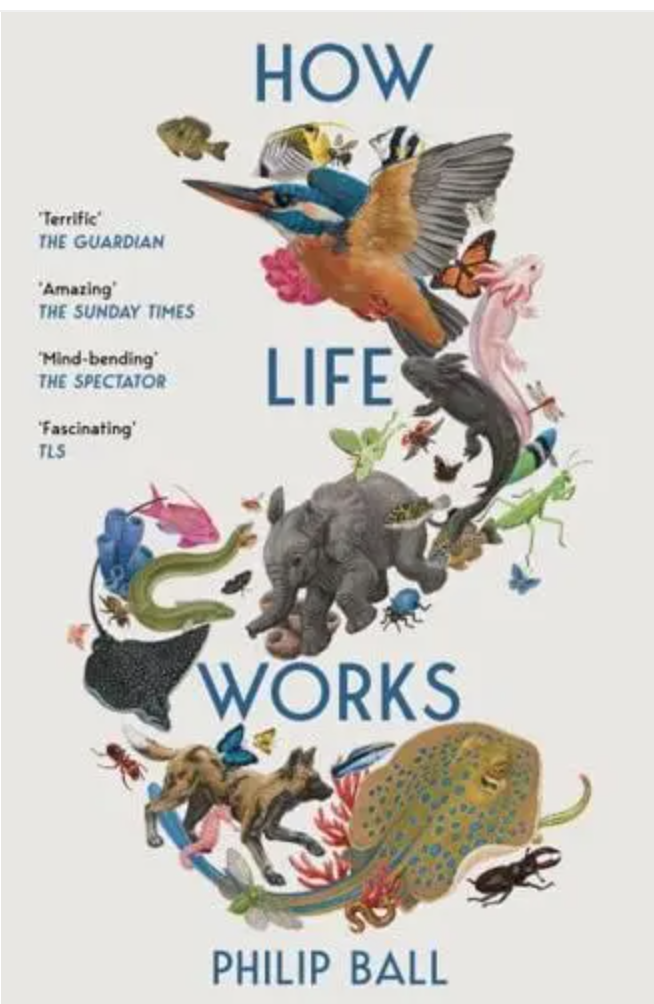
In the opening chapter of Philip Ball’s book titled How Life Works, he tells the story of two persons who contracted Covid in the early days of the pandemic. The first an elderly woman with pre-existing respiratory illness, the second a quite fit man in his middle years with no apparent medical condition. Contrary to expectations it was the man who succumed. How so? Ball relates the story as an example of how little we understand, despite modern scientific advances.
The concept of susceptibility is better recognised in homeopathy than modern western medicine in my view. In the absence of misadventure, the poor man succumed because his susceptibility to the virus was greater then the woman’s. Quite why he was so susceptible the big question.
Consider this. We all know friends and family members who are prone to any number of complaints. Some have a weak chest or stomach or get migraines or suffer hay fever or whatever. Thus to a greater or lesser extent we all recognise the concept of susceptibilty.
Have you watched any of the BBC2 TV series Surgeons at the Edge of Life? Edge of your seat, more like it! It is gripping television, providing you can cope with a bit of blood and gore. The skill, stamina, teamwork and technology are amazing.
Fascinating, as long as it is someone else on the operating table!
Still, I do not hear so much about causation, in contrast to the corrective procedure. Why does the patient have this tumor or other diseased organ necessitating a transplant. Is there a susceptibility? A toxin, inherited or acquired?
High end surgery is deservedly be the zenith of modern western medicine. But even at the level of the GP practice dealing with more mundane issues remarkably well, the question of causation ranks lower than the diagnosis and treatment. The focus is largely on managing symptoms. Stand in the queue at any chemist and you will see the daily churn of repeat prescriptions.
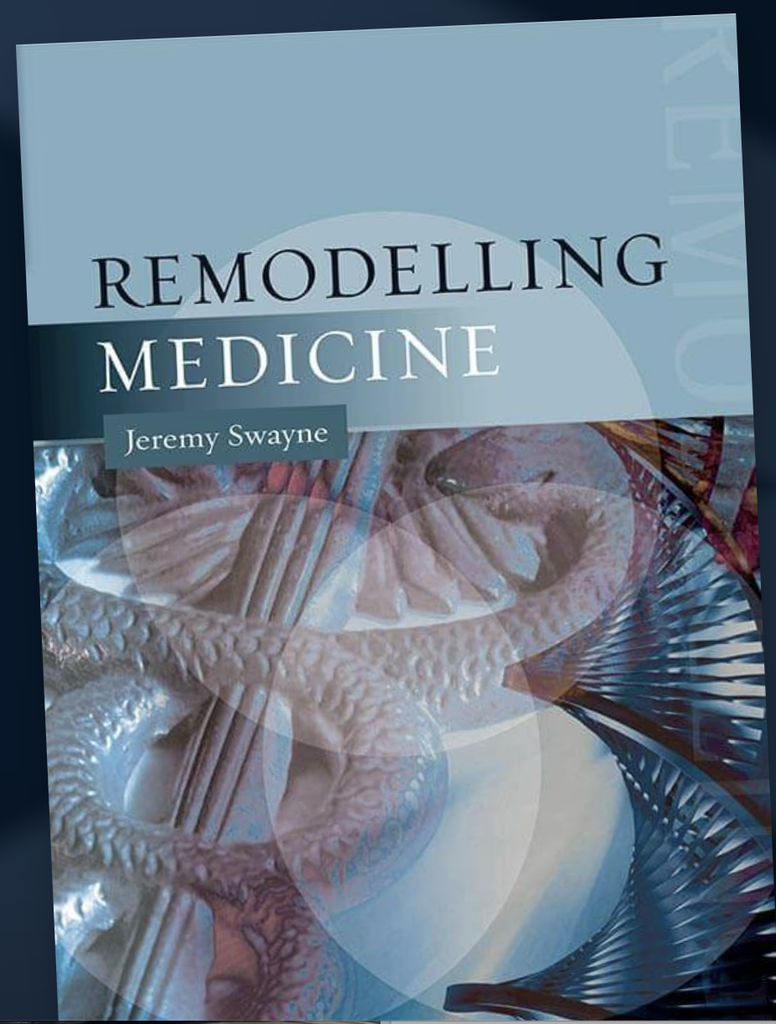
A deeper understanding of the presenting condition, takes time and the system does not allow for that. I have recently been reading a book (2012) by former GP Dr Jeremy Swayne titled Remodelling Medicine which looks comprehensively at the challenges faced by the current medical model.
The consultation process is key to homeopathic prescribing. It is important to get behind the presenting symptom. It is remarkable how ofter ‘toxins inherited’ are apparent, “my mother, father, grandparent had the same thing..”
In a homeopathic consultation, pathology is of course noted, but real insight comes from the whole picture: mental, emotional and physical. That includes inherited tendencies, which homeopaths call miasms on which I have written before. We are all products of our forebears, and in homeopathic thinking miasms are the lingering imprint of past epidemic diseases, passed down the generations. The tubercular miasm, for example, is often discernible in cases of eczema.
It has been said that the homeopath’s job is to correct this inheritence as best possible – that is to say neutralise the miasmatic influence.
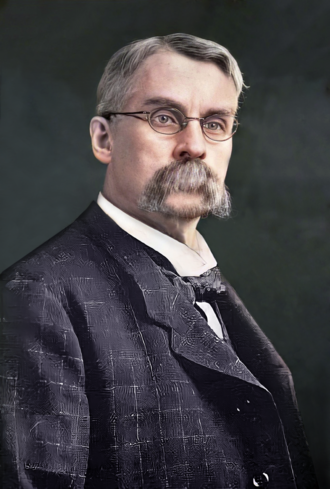
As a homeopath, I have been particularly struck by the teaching of James Tyler Kent, an American physician and homeopath working in Chicago in the early twentieth century. He wrote that “most of the conditions of the human economy that are called diseases in the books, are not diseases but the results of disease.” In other words, pathology is not the cause, only its final expression. Even if the apparent cause is a virus, say, the question arising is what lies behind your susceptibility to that virus. Recall the Philip Ball’s writing.
I gave a talk some years ago when still a student, and I was asked in homeopaths make a diagnosis. A good question that caught me off-guard. The official answer might be that only medical doctors can make a diagnosis. More prosaically, there is value in a diagnosis in so far as it gives an indication of the likely trajectory of a disease. On the other hand it is not central to homeopathic prescribing for the reasons that Kent states. It is the underlying factors that determine the treatment. How such factors express physically varies from person to person.
As we travel through life, we gather baggage. Sometimes we are innocent victims; sometimes we make less than ideal choices. Every evening the news shows the consequences: conflict and poverty on one side, excess on the other. Viruses and bacteria are opportunistic, and it is the weakest who succumb. The basics of clean water, nutrition and shelter should always come before medicine. Simple public health measures underpin modern life.
That said, in the young, the picture is fairly clear. They have not had time to collect much baggage (aka toxins) and their vitality is good. Which is the reason why children respond well to homeopathic treatment.
At the other end of the age spectrum, the challenge is greater. There is more baggage and vitality is lower. Nonetheless there is usually potential.
But properly applied, as Kent wrote, it seeks to “convert disorder into order so that the symptoms no longer have a cause.”
***
The goal of homeopathic treatment is find and correct the root cause of illness where possible, but it can also be used palliatively.
It is not quick fix medicine because the life force that animates us sets the pace of healing, not the patient nor homeopath. The word patient has meaning even if patience is a challenge in an impatient world.
Perhaps you would be interested in exploring Homeopathy for your health?
I offer a free 30 minute discovery call to allow you to investigate further.


Disclaimer: I am a qualified professional homeopath and not a medical doctor. The NHS has many resources, and seeking the opinion of your GP is always of value.
Dibden Purlieu, Southampton