
This short article considers the use of homeopathy for a breast abscess (mastitis). Such can affect mums who are breastfeeding.
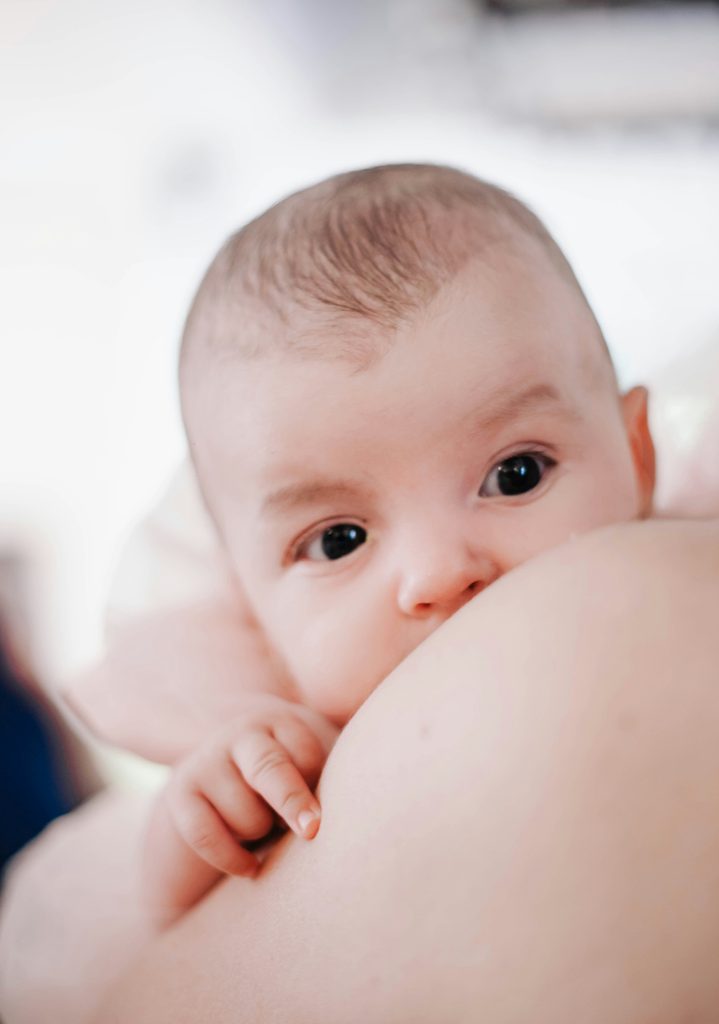
Recently, I learned of this condition affecting someone in my family. The upshot was a couple of trips to hospital. The abscess was drained and antibiotics are given. All this per NHS guidance which is here.
Mastitis is not something I have treated, but it got me looking in my books. You can always learn something. The late Dr Andrew Lockie’s Family Guide to Homeopathy is always a good place to start, and indeed he offers some guidance.
He writes the following:
Breast Abscess (mastitis) is due to milk stasis (not flowing) in the breast glands post-natally. If breast feeding, continue to do so unless the symptoms are very severe. Symptoms are redness, painful swelling in the breast, some tenderness in the armpit glands, and possibly mild fever. Homeopathic remedies (see below) are recommended as a first resort, but if they do not work see your GP who will prescribe antibiotics. If antibiotics do not subdue infection the abcess may have to be drained.
Under ‘self help’ he writes:
“At the first sign of pain bathe the breast in hot water. Use gravity to help drain the affected area of milk by positioning the breast and baby so that the abscess is uppermost. Apply Calendula ointment to the nipple. “
He then suggests chooising from the following homeopathic remedies (6c or 30c potency) which may be taken hourly for up to 10 doses:
Bryonia
Abscess brewing, with hardening of breast tissue and pain on the slightest movement. (Another text describes the ‘hardening’ as lumps)
(The keynote for Bryonia is ‘worse for any movement’)
Belladonna
Symptoms as above, with red streaks on the affected breast.
(The keynote for Belladonna is inflammation – redness, heat and pain)
Hepar Sulph
Pain very localised, area extremely tender, patient irritable.
(The keynote for Hepar Sulph is the tendency to suppuration)
Phytolacca
Armpit glands swollen, looking generally pale, and feeling shivery.
(The keynote for Phytolacca is its affinity for glands – in this case the milk producing glands – it is also remedy for severe throat infections affecting the glands of the throat / neck)
Silica
Nipple cracked and discharging pus, general exhaustion.
(The keynote for Silica in this context is either in aiding an abscess to mature or reducing excess suppuration – so also the remedy to take to aid healing after an abscess has been drained surgically. Calendula ointment or cream can be used in addition)
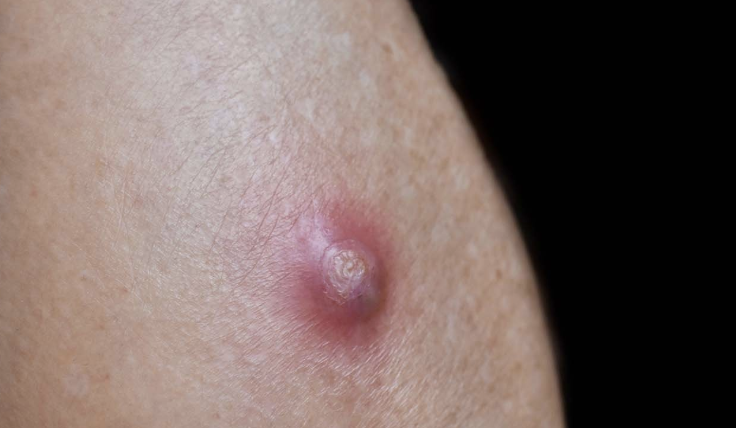
There is much in common here with skin abscesses and boils (infection of the hair follicles) where Belladonna, Hepar Sulph and Silica are all useful. Belladonna where there is inflammation and redness. Hepar Sulph where there is suppuration. Silica to promote suppuration and subsequent healing.
Whilst the homeopathic pharmacies can send out remedies withing 24 hours, it is best to have a small kit at home. I have written on the value of having a remedy kit before. Even if you need to go to A&E or see your GP, trying some of the remedies above may limit the infection and buy you some time. Infections rarely happen at a convenient time!
Most of the remedies above are in the first aid kits with the exception of Phytolacca which can be ordered separately.
The late Dr Jack was a GP practicing in Bromsgrove around the 1970s. He ensured all his patients had a small stock of remedies which were then available throught the NHS.
As he put it nicely, you try to find the ‘key to the lock’. If there is no result after a few doses, try another remedy (another key).
The aim is to find the remedy (key) that stimulates the immune response (unlocks). There is no hazard in taking the wrong remedy – neither ‘key’ nor ‘lock’ is broken, as he put it.
John Henry Clarke was a notable doctor and homeopath in the early 20th century. His work is still in print. The Prescriber was his personal aide-memoire and of a breast abcess, he writes:

Bryonia as soon as the first symptoms of pain or hardness come on. This, he says will often abort the process. If Bryonia fails to check it in 48h give Phytolacca. Where there is less hardness but red streaks radiating from a central point to the circumference give Belladonna. Should suppuration occur give Hepar Sulph. He also recommends Calendula ointment or bathing with warm water to which a few drops of Calendula mother tincture has been added. If the abscess has been lanced then Silica aids healing.
Perhaps 48h is a long time to wait today, but the general principles apply.
In researching this article I found a useful page from the Homeopathy UK website covering breastfeeding difficulties.
I am not called on to do much in the way of ‘acute’ prescribing (save for my self and immediate family). By ‘acute’ homeopathy means infections that are mostly self-limiting in contrast to the ‘chronic’.
The above are self-help first aid options that might help you, save you a wait in A&E and unburden the NHS.
****
Needless to say I stand but on the shoulders of giants, but should you care to explore the power of homeopathy please book a free 30 minute Discovery Call via this button.


Disclaimer: I am a qualified professional homeopath and not a medical doctor. The NHS has many resources, and seeking the opinion of your GP is always of value.
Dibden Purlieu, Southampton