
In this short article I will share something of the recent Societ of Homeopaths Conference in London and the wisdom of Indian medical physician, Dr Farok Master whoc travelled from Mumbai (Bombay) to attend the Conference in person.
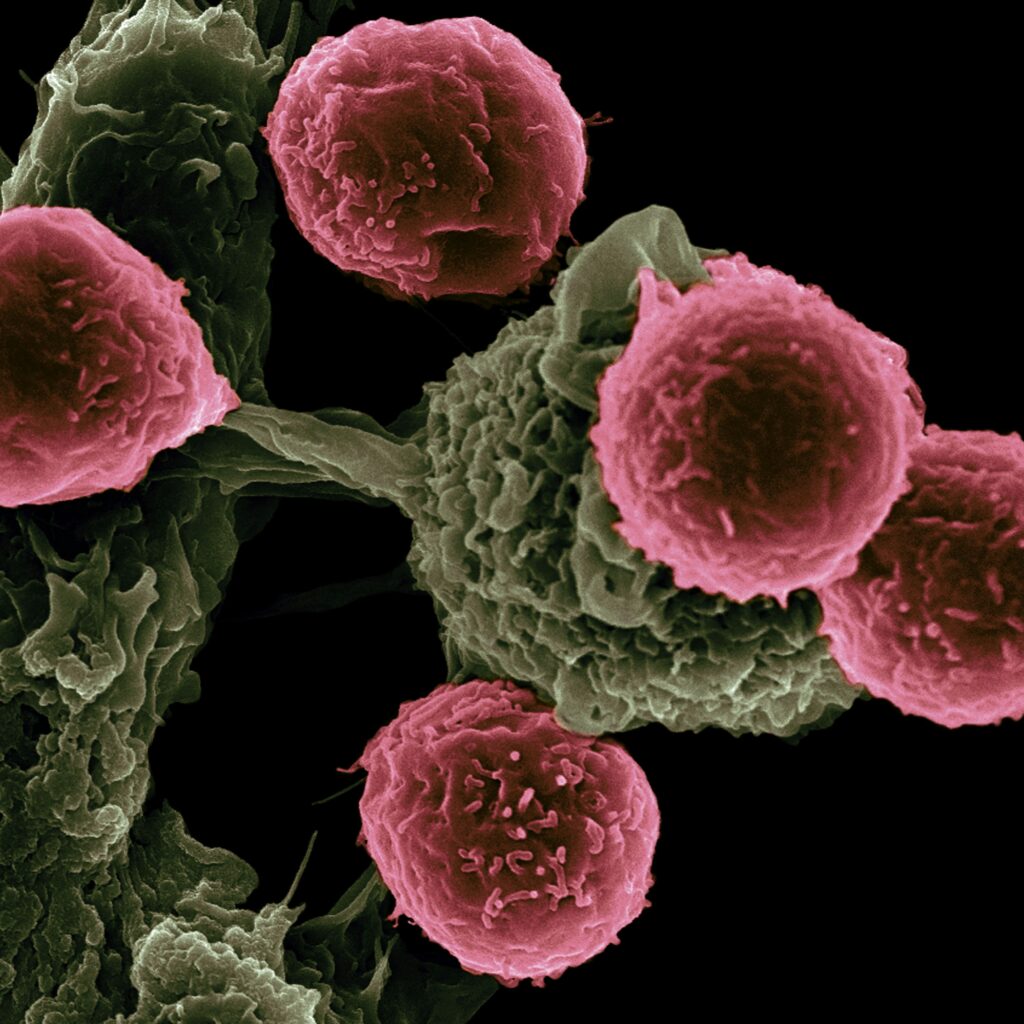
Dr Master’s topic at the conference was cancer. At this point it is important to state that the Society abides by the UK Cancer Act 1939, an Act of Parliament that sets down certain restrictions. What follows is a succinct summary:
“Complementary and alternative practitioners can advertise their services to cancer patients, but they must explicitly state that their therapies do not treat the cancer itself and are not a substitute for conventional hospital treatments (source: CNHC).
Note also that Dr Master is an exceptionally well qualified medical doctor who working within a hospital setting.
The purpose in briefly sharing his achievements is (1) to show the potential of homeopathic medicine which (2) to poses the question as to why homeopathy (in general and not just in cancer treatment) is excluded from NHS practice.
No single medical approach has all the answers but as the saying goes, ‘the mind is like a parachute, it works best when it is open!’
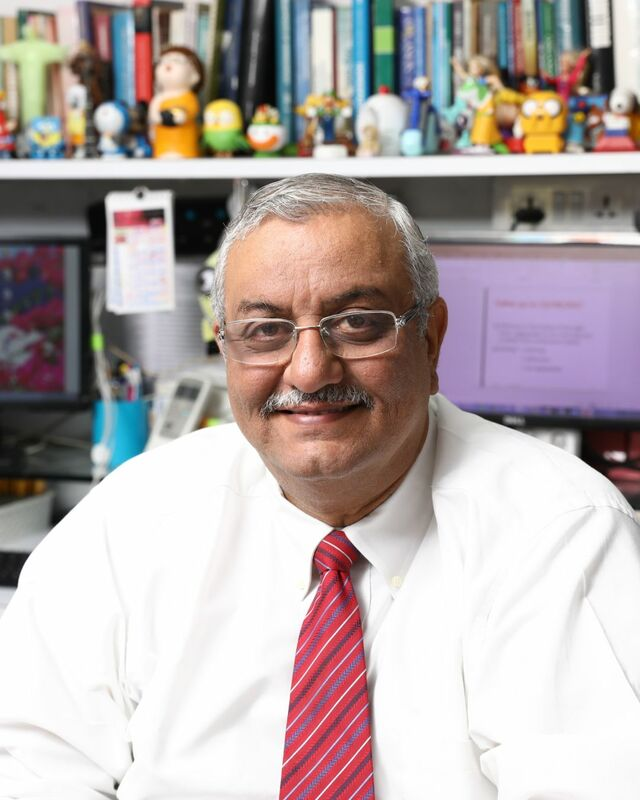
‘Master’ is not actually his family name, rather one inherited from his father who was also a physician of some standing (in conventional medicine, I believe and not homepathy) to the extent that he was known as the ‘Master’. Medicine runs in his family.
Dr Farok Master gained his LCEH (Licentiate of the Court of Examiners in Homeopathy) at the end of 1979 after the necessary period of study at Bombay Homeopathic College. He was awarded 1st class in all subjects and also a medalist. He attained his MD in 1994 and more recently successfully completed his PhD in ‘Cancer Management using Homeopathy’.
As an aside, it is worth mentioning that in India student may choose to study conventional (western scientific model) or homeopathic medicine; both qualifications being of equivalent standing.
During his long career he has established many homeopathic clinics in the out-patient departments in various hospitals. He is the author of many books and is well recognised as a gifted teacher and lecturer, skills which have taken him to many parts of the world. A more comprehensive profile may be found on his website.
Dr Master informed his audience that the conventional treatment of cancer works fundamentally at the local level. That is to say, its focus in on the physical symptoms which are typically addressed by surgery, chemotherapy and / or radiotherapy.
However, Classical Homeopathy, takes a wider view, one that goes beyond the pure physical symptoms. It is of particular note that Homeopathy seeks to understand the person and not just the diagnosis. Dr Master warned about being overly focussed on labels, and theories.
His general approach in the consultation is to find out from the patient, his relatives, friends and events of changes in that person’s life that may have increased that person’s susceptibility. Cells having the potential to become cancerous are common, but a healthy immune system destroys then preventing proliferation.
Dr Master reminded the audience of the importance of ‘susceptibility’. It is not a common term in modern orthodox medical practice. Yet, we all recognise our susceptibilities to some extent. Maybe you are prone to chest infections or headaches or digestive problems.
As I have written previously, Homeopathy is ‘vitalist’. That is to say that an invisible life giving ‘vital’ force exists. It is the conductor that holds the trillions of cell that make out bodies in harmony. However, should this life force offer imperfect resistance, disease can result. Cancer is but one outcome of dis-ease (the word us split intentionally).
Logically then, there be a reason for this reduction in resistance to challenge. A reason for the susceptibility.
My late father introduced be to Hoagy Carmichael, who wrote the melody for a popular song in the early 1950s for a popular song with the above title. Not much relevance beyond the words, but a lighter note…if you pardon the pun.
So what adversely impacts our resistance?
It could be some life event; some shock to the system. Dr Master mentioned, childhood trauma, relationship issues, emotional effects from grief to hatred. Relevant here is the work of the famous Swiss psychologist Carl Jung, whose theories Dr Master finds complement homeopathy.
It could be inheritance, and here Hahnemann’s concept of miasm may have relevance.
And it could be lifestyle factors which are clearly important – what Hahnemann termed ‘maintaining causes’ – our ‘drugs’ (tobacco, alcohol etc) are obvious examples. In India some people eat heavily spice food to excess, says Dr Master.
Different factors (emotional, inherited, lifestyle) impact different organs in his experience, he finds.
Needless to say, some interaction between these possibilties is likely. The proverbial ‘straw to the camels back’.
In his experience, the genesis of the cancer may extend back in time many years; anything from a couple of years to a couple of decades.
Consequently, the imperative in Classical Homeopathy is to consider all of the above. To focus on the signs, symptoms and susceptibilities. The goal: to strengthen the ‘vital’ life preserving force and reduce susceptibility.
When this is achieved, a revitalised life force can as good a job, if not better, than the surgeon or oncologist. That is Dr Master’s argument. One he demonstrated in the cases presented.
Clearly alongside successes there are failures. But that is true under the conventional model also.
Dr Master presented several cases of remarkable cures. He was able to share life stories and medical data to the extent that patient confidentially allows in a closed meeting. Clearly, on a website I have less freedom, but mention the following:
It is important to say that all of the above required steady patient treatment over many months. Nonetheless they demonstrated potential.
All the above is well above my capabilities, and probably that of most in the audience. But in the early 20th century notable homeopaths in the UK, such as Dr James Compton Burnett, and Dr John H Clarke and more at the then Royal London Homeopathic Hospital were treating cancer with some success.
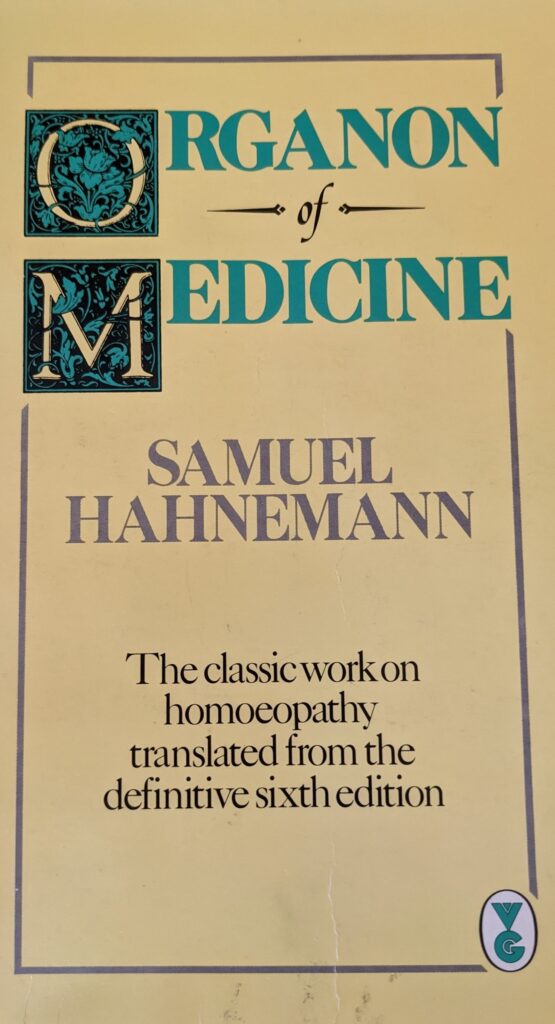
The importance of Dr Master’s work extends beyond the above impressive cases and to the importance and continuing validity of the classical homeopathic approach set down by Dr Samuel Hahnemann in his ‘Organon of Medicine’ some 200 years ago.
***
Perhaps you would care to explore whether homeopathy can help with your health?
If so, why not book a FREE 30 minute Discovery Call via this button.
Should you be in an organisation that would be interested a short talk (usually free) – tailored to your needs – please email me at [email protected].


Disclaimer: I am a qualified professional homeopath and not a medical doctor. The NHS has many resources, and seeking the opinion of your GP is always of value.
Dibden Purlieu, Southampton