I was once asked if homeopaths make a diagnosis. A good question and I fear my answer was not as concise as it might have been.
The simple answer is that by law only your doctor or specialist can make a formal diagnosis. This is with good reason, because he / she can arrange blood tests, X-rays or refer you for further investigation. This is outside the capability of the professional lay homeopath.
There are medically qualified (doctor) homeopaths who needless to say have a foot in both camps.
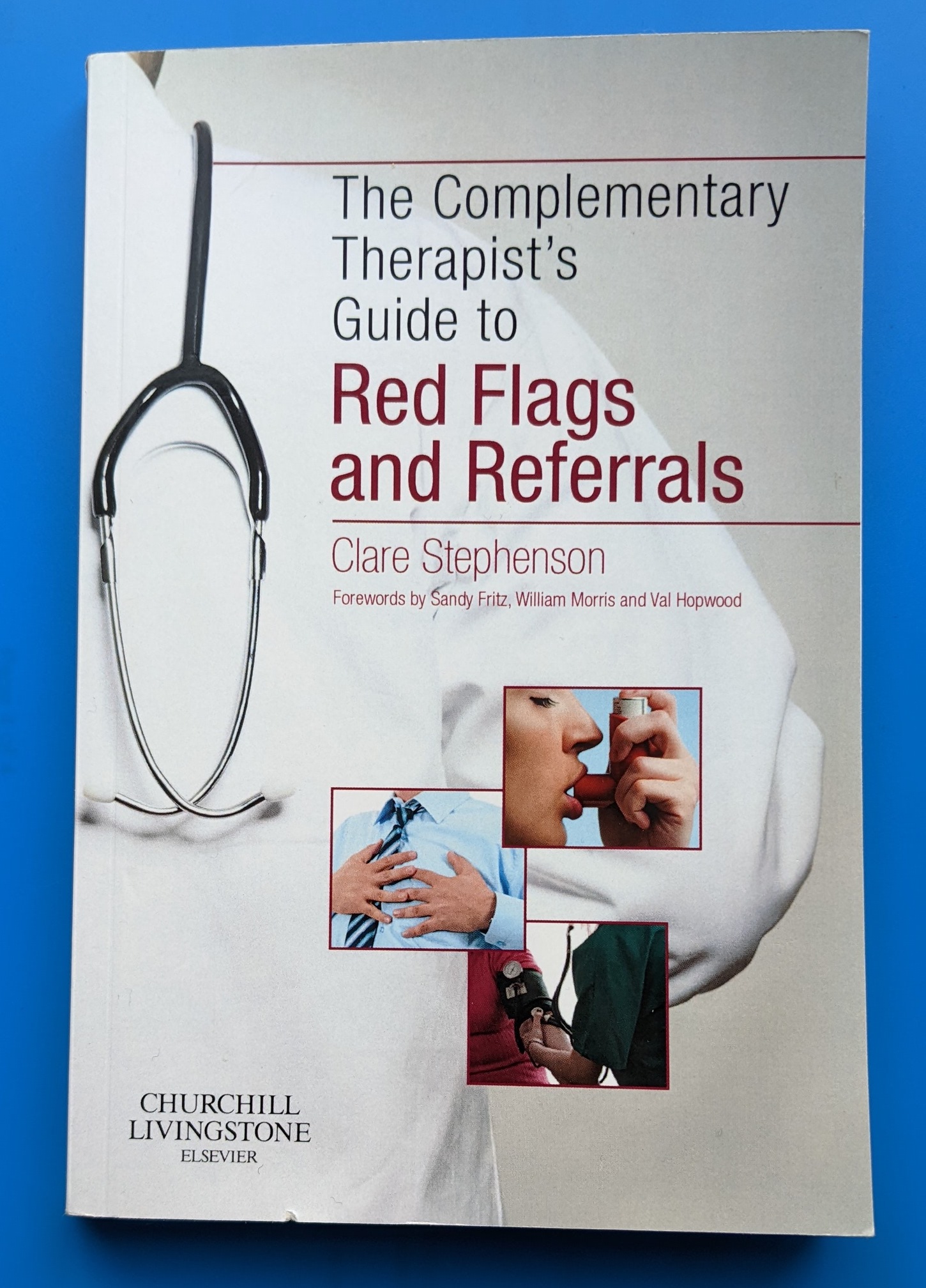
In fact, it is fairly rare for someone to seek a homeopathic consultation before they have seen their GP or specialist. For one thing the NHS is a free service, so your doctor is the obvious first port of call. That said, complementary therapists learn about “Red Flags”. These are warning signs indicating that further investigation by your GP is needed to rule out any risk of a serious underlying condition.
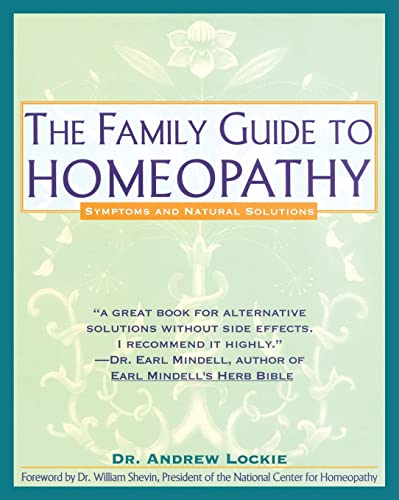
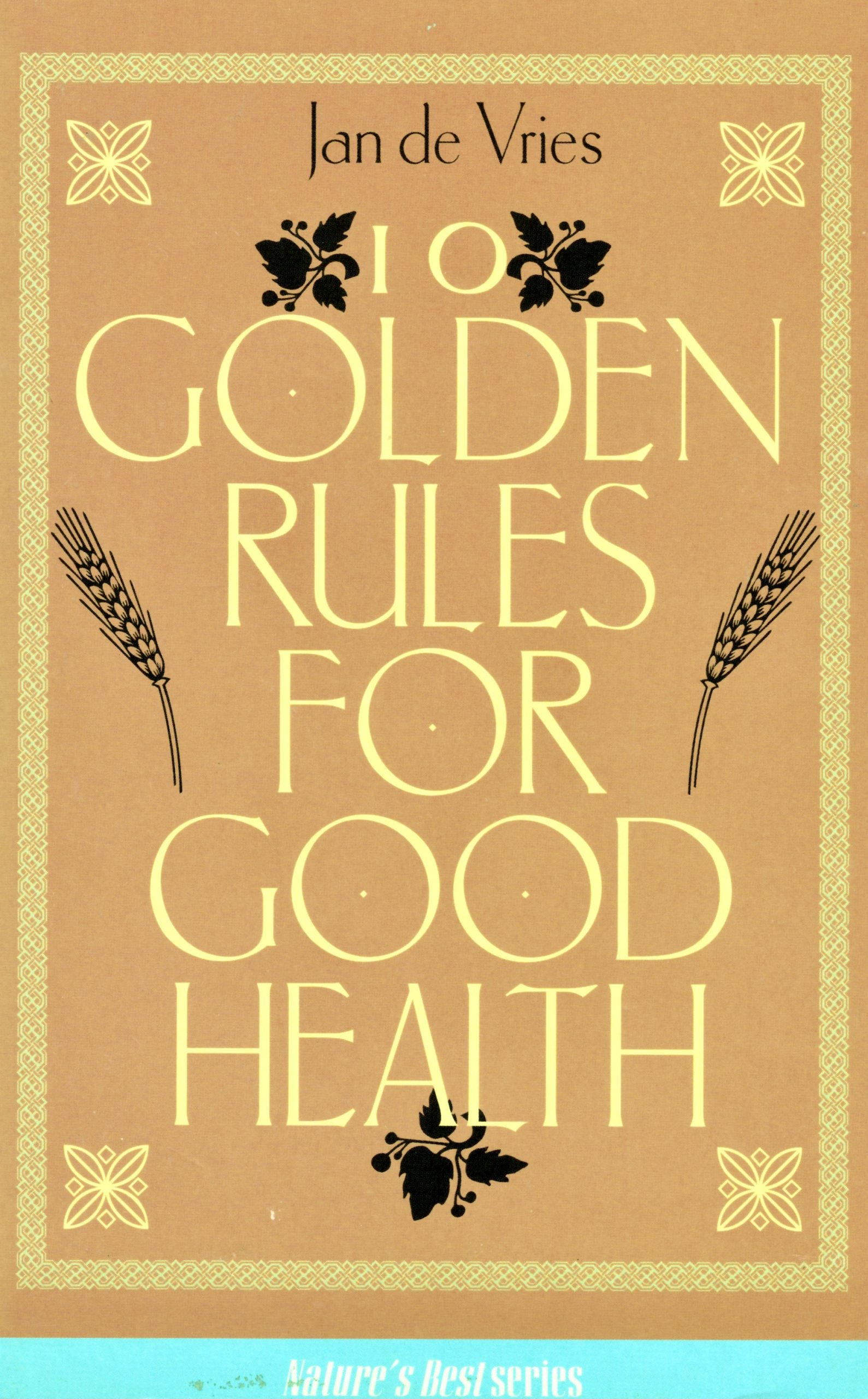
Here is a picture of the cover of an excellent little book that I have on my shelf:
In the UK medical records are by and large held centrally, but this is not the case elsewhere. When I sat in on homeopathic consultations in Calcutta, it was normal for patients to carry with them the documentation from whatever investigations they had undergone. This is quite common in many countries. All this was very useful to the homeopathic doctor (in India there are two equivalent paths in medicine – orthodox western and homeopathic). Needless to say your diagnoses from the NHS are equally of value to the professional lay homeopath here.
The Value of Diagnosis
Diagnostic tests indicate what is going on: what is as it should be, and what is not. They are not always fullproof. Results can range from the possible to the definite. Referral for further investigation may be necessary.
Accuracy and speed in diagnosis is a big topic in academic circles should you care to look into the matter. Unsurprisingly, artificial intelligence is the new frontier!
An important outcome from diagnosis is the likely trajectory of the condition. Will it get worse, stay the same or get better with or without treatment? Hopefully it is not “how long have I got doc?” as the sit-coms or “soaps” sometimes have it, but fair to say none of us live for ever!
The Limits of Diagnosis
The above would all seem positive and in many ways it is, but there is a hazard in diagnosing a condition, which usually means giving it a name. Thus people will say I have X or I am Y. The problem here is that once you have been put in a box with a classifcation X or Y it is easy to be resigned to the label. It becomes part of you.
In homeopathy disease symptoms have a wider meaning. No two persons with the same diagnosed condition will be treated in the same way. Dr James Tyler Kent one of the most notable American Homeopaths the early part of the twentieth century wrote this:
Most of the conditions of the human economy that are called diseases in the books are not diseases, but the results of disease. To call a group of symptoms a disease of one part, and another group of symptoms a disease of another part, is a great heresy….. Organic disease is the result of disease
Lectures in Homeopathic Philosophy, Lecture IX Dr James Tyler Kent
Ok, the language is old fashioned, but what he is saying is that your true dis-ease is something that is prior to the symptoms that cause you make an appointment with your doctor. I touched on this subject before.
So the question is what underlies the child diagnosed as ADHD or a skin condition, or an adult with rheumatic pains or digestive problems or whatever?
Sometime that cause is apparent from orthodox investigation, but often not. The long term management of the symptoms is the best that can be done. In contrast, homeopathy looks at patterns in health, mental physical and emotional. It is sideways look that can find a solution to an intransigent problem. It is not boxed-in by labels.
This month I wish to share with you two homeopathic remedies for fever that are particularly helpful in children with fever – a common state of affairs
Last time I introduced the topic of homeopathy as first aid in the home, and the value of having a small first aid kit, and without doubt these two remedies will be there.
Fever has a purpose!
Fever is not a bad thing. Every symptom has a purpose; illness has a purpose. And the purpose of a fever is to fight infection – it is a natural response of the immune system. So try and not suppress fever with paracetamol containing over-the-counter medicines.
The latest NHS guidance is here. And yes, the use of paracetamol is permitted if the child is in distress but you might try some homeopathic first aid as an alternative first.
They work for adults too.
Two well known Homeopathic remedies for fever
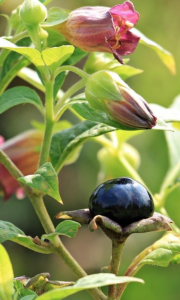
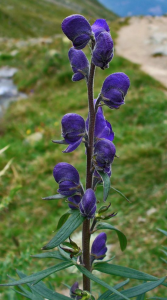
The two remedies are Aconite and Belladonna. Both have their origin in poisonous plants, but remember the potentised homeopathic remedy is an ultra-dilution and non toxic. Explanation here.
BelladonnaAconite
The challenge in homeopathy is to recognise the different characteristics in your child and to match them with the correspondingly remedy picture. There are fevers and there are fevers!
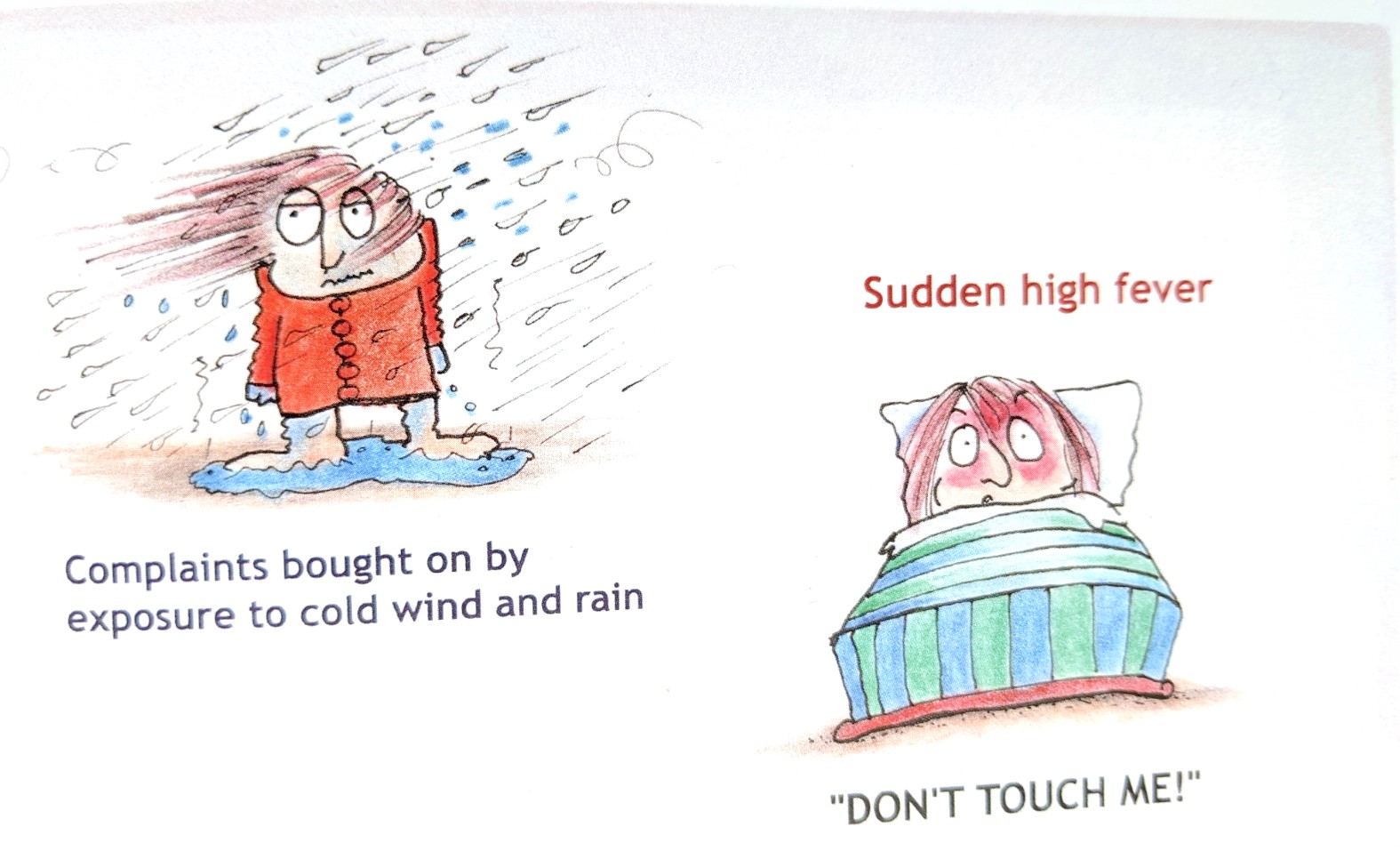
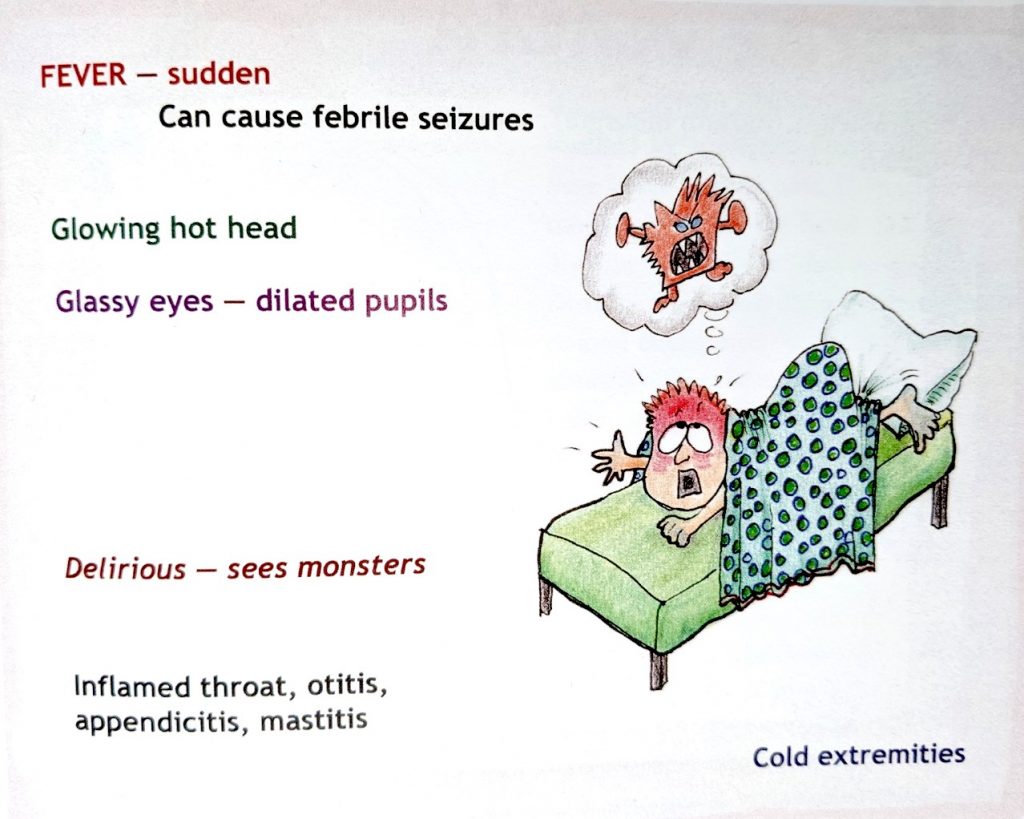
Here are some basic pointers for these two homeopathic medicines with two nice cartoon images from the book Homeopathic Remedy Pictures by Vicki Matheson and Frans Kusse.
Homeopathic Fever remedy No1: Aconite
The aconite child is fearful and anxious and doesn’t want to be touched. The fever is dry and comes on quickly within a few hours and is worse between 9 and 11pm. Coldness and heat alternate. The child is chilly and wants to be covered. He or she is thirsty. It is a good remedy for shock also.
It is a short acting remedy – if the fever persists much beyond a day then another remedy should be chosen.
The belladonna child also comes down with a sudden fever but there is a slightly slower onset than with the aconite patient. This child is burning hot and hypersensitive. There is violence and agresssion rather than fear. The pupils may be dilated – in contrast to aconite (constricted). The fever can be worse at 3pm or 3am. The patient may be delirious. Despite the heat, the child may not be thirsty. It is a useful remedy for sunstroke – the pounding head and red face gives you the picture. Dr RAF Jack also had this remedy as No1 for earache.
Belladonna is a somewhat longer acting remedy – about 72 hours.
Just a small introduction, but it might get you some sleep…!
Homeopathy explained simply is not so easy. It is so easy to disappear down the proverbial rabbit hole.
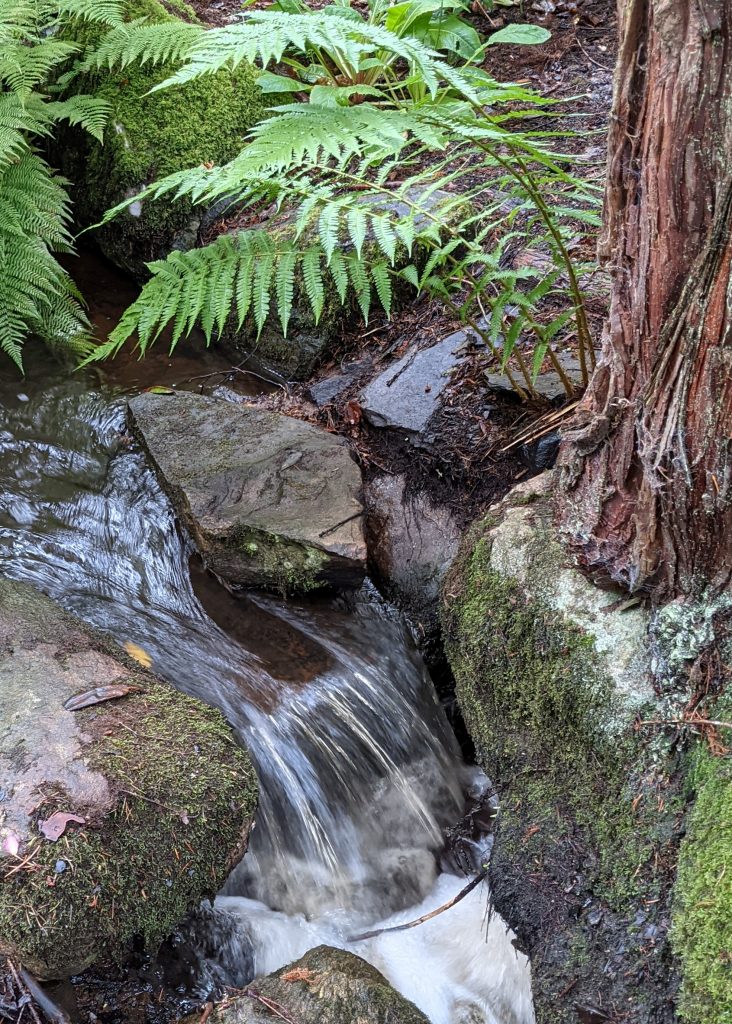
Here is a picture I took in Aberdeenshire – Deeside water, which runs down from the Cairngorms is known for its clarity and purity. Crystal clear!
Homeopathy explained simply – in practice
My first encounter with homeopathy was as a child. Our family doctor used homeopathy. I got better and didn’t think much about it…well, I was a child after all.
That is just how it was for me. But a seed was sown, a seed that lay dormant until a memory is stirred….
What stirred that memory was the my ignorance, now the parent, with a sick child…
My son was aged 3 or 4 at the time (he’s now the wrong side of thirty) and he’d gone down with something as kiddies do … virus probably…
Fingers crossed he’ll just get better (usually that’s so)..just wait and see. But sometimes not…
Of the shelf comes Dr Andrew Lockie’s book TheFamily Guide to Homeopathy, and a little homeopathic first aid remedy kit that I had bought.
Aconite seemed a good place to start but no change whatsoever….
Let’s switch to Belladonna (excellent for fevers in children, Lockie says)…still no change…
Actually, he’s getting worse. Might need the doctor…it’s Saturday…hmm
Back to the book…l’ll try Gelsemium (drowsy, dull, shivery) ….
And that within a few minutes his demeanor changes….
Beginners luck – but wow I was impressed*.
(*n.b. the reaction to a remedy in an acute illness should be fast especially in children with good vitality – long standing, that is ‘chronic’ complaints take longer to resolve)
Homeopathy explained simply?
Like Deeside water my experience was crystal clear. Gelsemium worked where Aconite and Belladonna didn’t…
And, no way was my son getting better without some intervention.
In homeopathy** the picture of the remedy must match the picture of the symptoms..that is the rule. His picture was that of Gelsemium.
(**Homeo-pathy means “similar-suffering” or “like cures like” – known as the law of similars)
Zeitgeist… (spirit of the age)
Some say homeopathy is pseudo-science.
How often do your hear the phrase “The Science ..”? But science is dynamic not a tablet of stone. There is no “The”. It’s a means to understanding; it’s never constant and ever changing.
How about margarine or butter?…We still cannot decide (unless you sell butter or margarine)!
What’s fashionable in science (or medicine) today, may not be fashionable tomorrow.
Non-overlapping Magisteria
A notable scientist, the late Stephen Jay Gould, argued that: the role of Science was to establishing facts; the role of Religion, values. He spoke of non-overlapping magesteria.
Put another way, science considers the physical or material world, and religion that which is immaterial or metaphysical.
Science likes things that can be ‘measured’; it is not too keen on the metaphysical. The scientific mind tends to bind to the physical, and some scientists can be so sceptical about the metaphysical that they reject such concept. In their own way they keep things simple … that too is crystal clear!
But much of that which is important to us as humans is beyond the physical; is metaphysical – our emotional response to each other, to art, to nature and so on.
Guess what, homeopathy, with its potentised (ultra dilute) remedies likely straddles the metaphysical and physical worlds. Just as we human beings do.
Sceptical?
Up to a point, it is good to be sceptical (or ‘Skeptical’ in the USA). But maybe its time to be sceptical about the “Skeptics”, expecially the more aggressive ones.
They pun there is “nothing in it” … the pharmaceutical industry agrees “there is nothing in it”.
It is quite a battle out there, I can tell you. Here is a nice blog from Scientific American
Evidence is suppressed…
Academia..fearing loss of funding…backs away from research
Governments are lobbied..
But maybe there is “something in it” after all?
You won’t have heard, but many volumes have been written on homeopathy for over two centuries.
Including some stunning new work like that from Michel Yakir
A senior clinician once remarked to the effect that “if only five percent of what has been written on homeopathy was valid it would still be worth looking at”
Remember the late Donald Rumsfeld words:
“..There are things we know we know. … But there are also unknown unknowns—the ones we don’t know, we don’t know”.
We may laugh but it is so true.
“In the beginning was The Word…”
Those are the opening words of The Gospel of St John. Quite powerful, and worth reflecting on..
Though these words come from a religious text, science has for some time recognised the correlation between matter, energy and information (i.e. The Word).
Homeopathy explained simply – as information?
Homeopathy cannot be about chemistry. It is true, there is ‘nothing’ (material) in a homeopathic remedy except the sugar pill used as a carrier for the remedy).
But what about physics, especially quantum physics? The non-material remedy may be a form of energy or information. Something metaphysical; a transfer of thought. A bit like a software download; so commonplace to our generation but quite bizarre to our grand-parents and those long passed.
The preparation of homeopathic medicines is a process of serial dilution and agitation, termed “potentisation”. Therefore some aspect of the original material substance is transferred. But what?
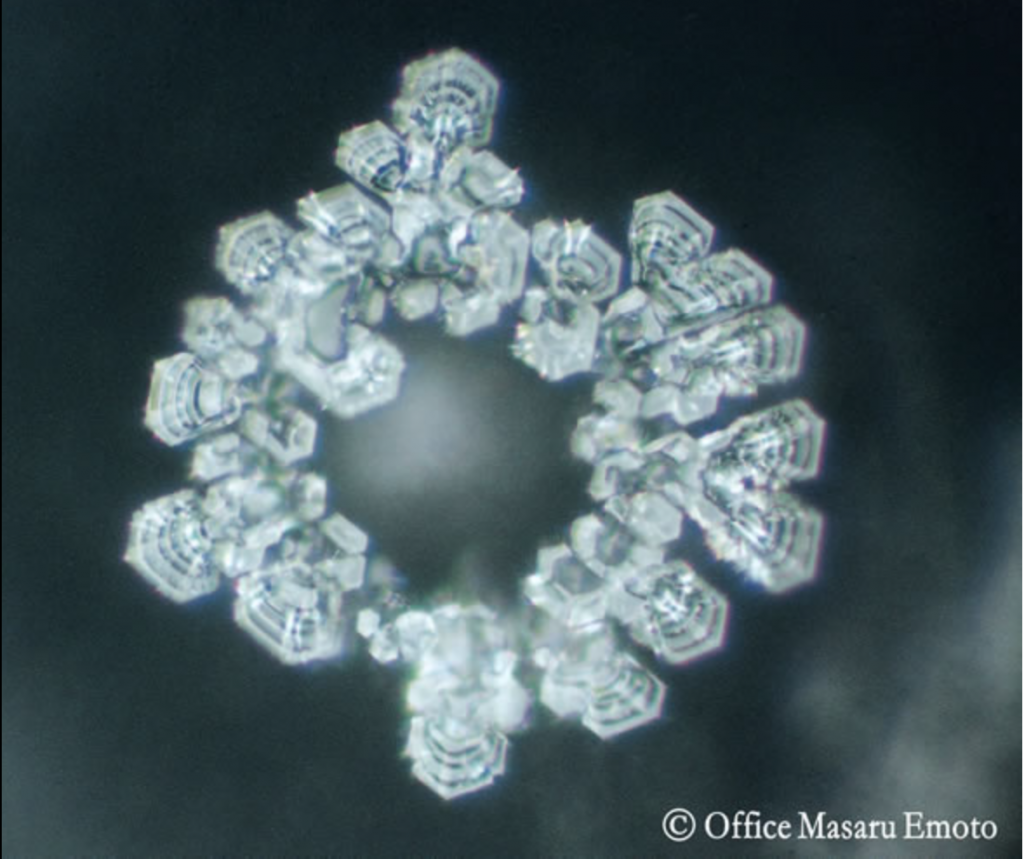
The late Dr Masura Emoto, experimented with the influence of thought on water. Here is just one picture from his website from the water at Lourdes
Prof. Jerry Pollack in the USA has discovered a fourth water phase which has potential implications
Links in the chain of the homeopathy puzzle? Maybe.
And highlighting the importance of crystal clear water
Meanwhile…
Most folk drive their cars with (increasingly) little knowledge of what is happening under the bonnet. Your auto-engineer does, true, but cars are man made.
Humans are neither machines, nor man made.
Despite advances in medical science there is still much that is unknown, and if a little homeopathy keeps you ‘running smoothly’, in homeostasis (harmony), why not use it?
There are “known knowns”….homeopathy works.
And “unknown unknowns” … we don’t know everything.
Open minded scientists will bring understanding in time.
Homeopathy explained simply!
“Due to overconsumption of de-natured food, and a lack of exercise and fresh air, many people, especially in the second half of their lives, often become caricatures of themselves … Nowadays we rarely see a really beautiful and healthy looking person … we are either too far or too thin .. or legs are swollen, our feet flat, our backs, bent, our necks stiff. We lose our hair, suffer from dental decay, headaches, flatulence, constipation and depression; we tire quickly and worst of all, many of us no longer enjoy life. Many people never feel really well“. Naturopath, Jan de Vries, from 10 Golden Rules For Good Health (2nd edition 2008)
Not a very welcome message, perhaps, but a well meaning one from one of the most notable Naturopaths in the UK and beyond in recent years.
Alas, he is no longer with us, but for many decades Jan de Vries had a clinic in Troon, Ayrshire and people sought his advice from near and far.
He even had a slot on Gloria Hunniford’s BBC Radio show. He worked a 90 hour week which included writing many books!
I once had a consultation and his busy clinic was like a hospital out patient dept. He was much loved and is sadly missed.
The Naturopathic approach to health is focuses on the basics, recognising that the self regulating nature of the human organism works best when treated with respect. His five pillars to good health were nutrition, digestion, elimination, circulation and relaxation.
The 10 Golden Rules expand on the five pillars to include such as sleep, and mental health and mental attitude. Top of the list, always, comes nutrition. He tells us that the diets of western industrialised countries – especially the USA and Europe – have changed more in the last 100-150 years, than across millennia before.
Processed foods, sugar, excess alcohol, industrial farming and so on, are not what the body needs. Instead seventy percent of our diets should be of plant origin, and raw fruits and vegetables should be an important part of daily nutrition. Medical science has also come to appreciate the relationship between a healthy immune system and a healthy gut.
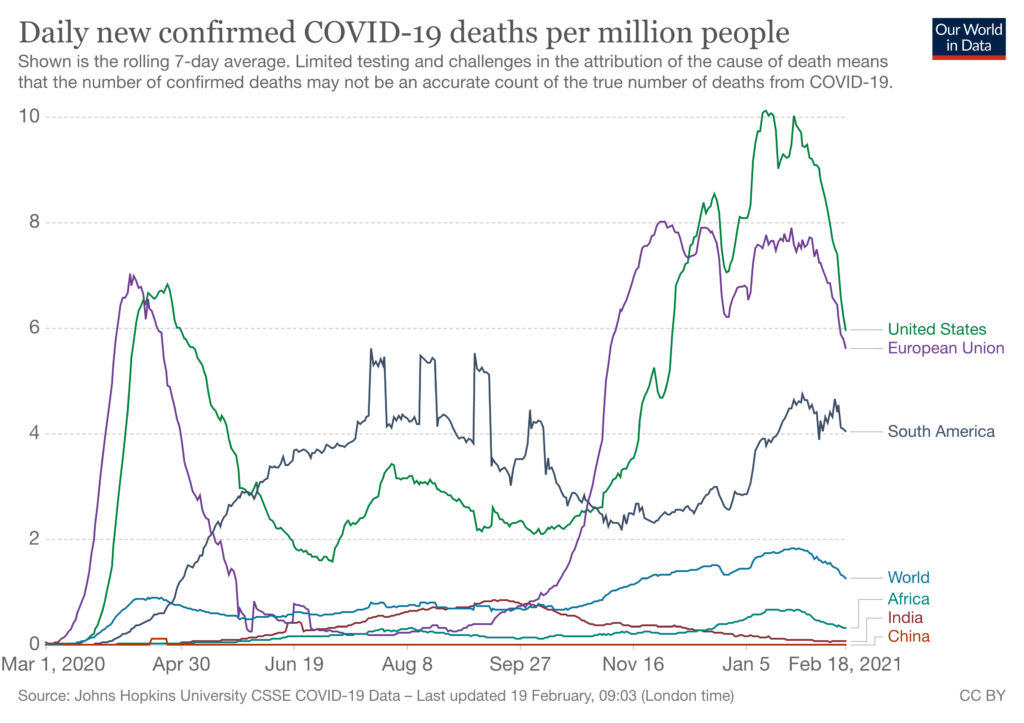
Obesity seems to have become rather an epidemic these days. In the past the poor were thin, as is still the case in the developing countries but the opposite seems to be the picture in the western world. And it is the western world that has suffered the most in this Covid-19 pandemic. Food for thought?